
I first landed in Marrakech on a sweltering July afternoon — which is, as I'd later learn the hard way, exactly the wrong time to visit Morocco. The heat in the medina was suffocating, the tourists were crammed into every narrow alley, and I'd already been overcharged for my first mint tea before I'd even found my riad. I made every classic first-timer mistake, and I've been coming back ever since — partly to write better guides for people like you.
Morocco is one of the most rewarding destinations I've ever visited. It is also one of the most misunderstood. The country that tourism brochures sell — a photogenic land of blue cities and camel rides — is real, but it's only a fraction of what Morocco actually is. This guide is my attempt to give you a clearer picture, one built from four visits, including one as a solo female traveler, and the honest benefit of experience.
📌 Quick Facts: Morocco is in Northwest Africa, bordered by Algeria, the Western Sahara, and the Atlantic and Mediterranean coasts. The official language is Arabic (Darija), with Berber languages and French also widely spoken. Currency: Moroccan Dirham (MAD). Time zone: GMT+1 (GMT+0 in winter). Capital: Rabat. Most popular tourist city: Marrakech.
Best Time to Visit Morocco
This is the single most important planning decision you'll make. Morocco's climate varies enormously by region, and the "best time" depends on where you're going.
Spring: March to May (Recommended)
This is peak season for good reason. Temperatures across most of Morocco sit between 18–26°C (64–79°F) — warm enough for summer clothes during the day, cool enough for a light layer at night. The Atlas Mountains are snowcapped, wildflowers appear in the valleys, and the Sahara is hot but tolerable at 30–35°C. Crowds are significant at major medinas, but manageable. Book riads at least 4–6 weeks in advance.
Autumn: September to November (Also Excellent)
My personal favourite. The summer crowds have thinned, accommodation prices drop slightly, and temperatures are near-identical to spring. The light in October and November is extraordinary — golden, warm, and perfect for photography. The Sahara is cooling down from its August peak and becomes genuinely magical again.
Summer: June to August (Challenging)
Avoid if you can, particularly for Marrakech and the interior. Temperatures regularly hit 42°C (108°F) in the medinas. The coast (Essaouira, Agadir) and the Rif Mountains (Chefchaouen) are more bearable. If you must travel in summer, start early, take a long midday break, and keep expectations in check.
Winter: December to February (Hidden Value)
Coastal Morocco remains mild (15–20°C), and the Sahara is genuinely cold at night — sometimes below freezing. The Atlas Mountains receive snow and offer excellent trekking. Cities like Marrakech and Fez are far less crowded and accommodation prices drop 20–40%. Just bring layers.
| Month | Marrakech Temp | Sahara Temp | Crowds | Recommendation |
|---|---|---|---|---|
| March–May | 18–26°C | 28–36°C | High | ✅ Excellent |
| June–Aug | 35–42°C | 38–45°C | Medium | ⚠️ Challenging |
| Sep–Nov | 20–30°C | 25–36°C | Medium | ✅ Excellent |
| Dec–Feb | 8–18°C | 5–20°C | Low | 🔵 Good value |
Visa & Entry Requirements
Morocco is refreshingly straightforward on the visa front for most Western passport holders.
Visa-free entry (90 days) is available for citizens of: USA, UK, EU member states, Canada, Australia, New Zealand, Japan, and most other Western nations. You'll receive a stamp at the border or airport — there's no advance application required.
Your passport must be valid for at least 6 months beyond your entry date. This catches out more travelers than you'd expect — check before you book flights.
⚠️ Always verify: Visa rules can change. Always confirm current entry requirements with your country's official government travel advisory or the nearest Moroccan consulate before travel. This guide was accurate as of May 2026 but does not constitute official visa advice.
Where to Go: Morocco's Key Destinations
Marrakech — The Classic Entry Point
Most first-timers start here, and for good reason. Marrakech is Morocco concentrated — the medina's souks, the Djemaa el-Fna square at dusk, the palatial riads hidden behind unmarked doorways. It's overwhelming in the best possible way, but also the most tourist-heavy destination in the country. Budget at least 3 full days here. Avoid spending too much time near the main square at night — it's memorable once, but the hustlers can wear you down.
Must-see in Marrakech: Bahia Palace, Majorelle Garden (book ahead), the tanneries near the souks, and the rooftop views from the medina walls at sunset.
Fez — Morocco's Intellectual Capital
The old medina of Fez (Fes el-Bali) is a UNESCO World Heritage Site and one of the most astonishing urban environments I've ever walked through. It's a labyrinth of 9,000 narrow alleys, ancient mosques, and craft workshops that have operated for centuries. Unlike Marrakech, Fez feels less curated for tourists — it's more intense, more confusing, and ultimately more rewarding. Hire a local guide for at least half a day. The famous Chouara Tannery views are free from leather shop rooftops (you'll be invited up and then gently pressured to buy — that's the deal).
Chefchaouen — The Blue City
You've seen the photos. The reality is both exactly what you expect and somehow still magical. Chefchaouen sits in the Rif Mountains, cooler than the interior cities, draped in shades of blue that shift from indigo to cerulean depending on the light. It's heavily touristic now, but the surrounding hiking trails offer escape. The town is compact — two to three days is enough. The kif culture here is visible and prominent; be aware that while cannabis is widely available, it remains technically illegal for tourists.
The Sahara — The Unmissable Experience
No Morocco trip is complete without at least one night in the Sahara. The Erg Chebbi dunes near Merzouga are the classic destination — enormous, photogenic, and genuinely dramatic. The standard itinerary involves a 4WD transfer from Ouarzazate (or a flight from Marrakech to Errachidia), a camel ride at sunset, and an overnight stay in a desert camp. The sunrise over the dunes is one of the most beautiful things I have ever seen. Book your camp well in advance — not all camps are equal. Look for camps with semi-permanent tents rather than the pop-up versions, and read recent reviews carefully.
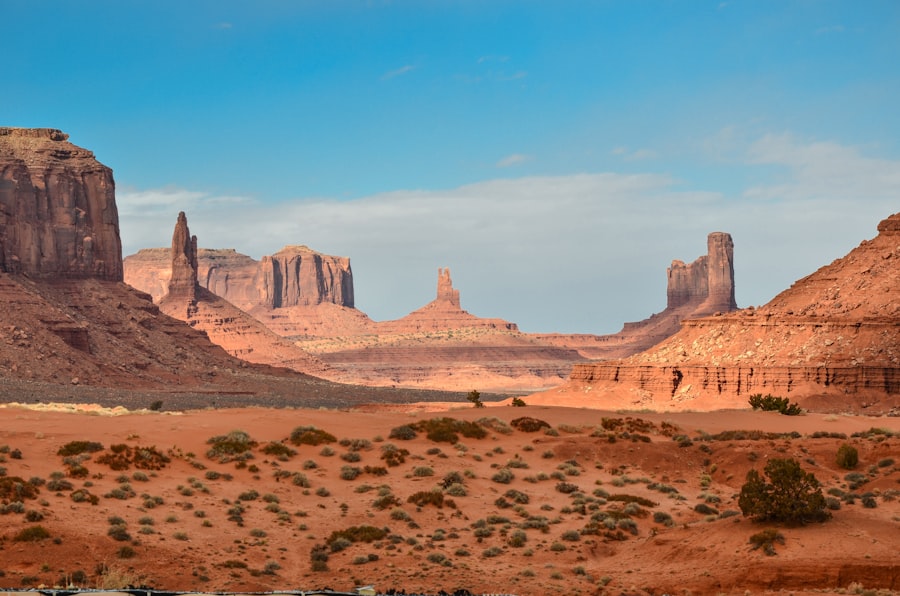
The Erg Chebbi dunes near Merzouga. Sunrise and sunset here are worth every kilometre of the journey. (Photo: Unsplash, CC0)
Essaouira — The Coastal Alternative
If the medina intensity of Marrakech or Fez feels like too much, Essaouira offers a different Morocco — windswept, blue-and-white, with a fishing port, crumbling ramparts, and a genuinely creative arts scene. The temperature here is consistently 5–8°C cooler than Marrakech due to the Atlantic wind. It's a good summer option when inland cities are unbearable, and it makes for an excellent 2–3 day detour from Marrakech (3 hours by bus).
Realistic Budget Breakdown
Morocco is one of the best-value destinations in the Mediterranean region, but costs have risen significantly since the pandemic. Here's what to realistically expect in 2026:
| Category | Budget (per day) | Mid-Range (per day) | Comfort (per day) |
|---|---|---|---|
| Accommodation | $15–25 (hostel/basic riad) | $45–90 (mid riad) | $120–250 (luxury riad) |
| Food | $8–15 (local restaurants) | $20–35 (mix) | $45–80 (restaurant dining) |
| Transport | $5–10 (buses/shared taxis) | $15–25 (private transfers) | $30–60 (private car hire) |
| Activities | $5–15 | $20–40 | $50–100+ |
| Total Daily | $33–65 | $100–190 | $245–490 |
💡 Money-saving tip: Eat where locals eat — small café-restaurants away from the main squares serve tajines and couscous for 30–60 MAD ($3–6). A meal on or near Djemaa el-Fna square costs 3–5x more for the same food. Learn to spot the tourist markup and walk one street further.
Getting Around Morocco
Trains (ONCF)
Morocco has an excellent and affordable train network connecting Marrakech, Casablanca, Rabat, Fez, Tangier, and the coast. The Casablanca–Marrakech route is among the best value train rides in North Africa — fast, comfortable, and priced from around 100 MAD ($10). Book at least 24 hours ahead for first-class seats.
CTM Buses
For routes the train doesn't cover (Chefchaouen, Merzouga, Ouarzazate), CTM buses are the recommended option — reliable, air-conditioned, and reasonably priced. SUPRATOURS is also good. Book online in advance during peak season.
Shared Grand Taxis
The authentic way to travel between smaller towns. Grand taxis (usually old Mercedes sedans) fill up with 6 passengers and depart when full. They're cheap (often cheaper than buses), faster than buses for shorter distances, and a genuine cultural experience. The downside: no fixed schedule and occasional aggressive bargaining for tourist pricing.
Hiring a Car
For the Southern routes (Ouarzazate → Merzouga → Draa Valley), renting a car gives you genuine flexibility that no bus can match. Roads are mostly good. International driving licence required. Book through established international companies — local rental companies sometimes have poor insurance terms. Budget $35–60/day for a compact car.
Safety in Morocco: Honest Assessment
Morocco is generally safe, but this requires some qualification. Violent crime against tourists is rare. The real safety concerns are different:
Touts and Scams
The aggressive guide/tout culture in Marrakech and Fez is real and well-documented. Common scenarios include: "friendly" strangers who offer to show you somewhere and then demand payment, unlicensed "guides" who lead you to carpet shops where you're pressured for hours, and transport drivers who take you to their commission-paying riad rather than your actual booking.
Counter-strategy: Download your riad's address in Arabic on your phone before arriving. Say "la shukran" (no thank you) firmly and keep walking. Don't follow anyone you didn't hire. Book licensed, qualified guides through your riad or established agencies.
Solo Female Travelers
Morocco has a complicated reputation for solo female travelers. Street harassment — verbal comments, unsolicited attention — does occur, particularly in Marrakech and Fez medinas. It's often more annoying than threatening. Covering up (loose clothing, covering shoulders and knees) reduces but doesn't eliminate it. Evening walks in busy tourist areas are generally fine. Late-night solo walks in less-touristic areas are not recommended. Many solo female travelers visit Morocco without serious incident. Many find it genuinely uncomfortable at times. Go in with clear expectations rather than either fear or naivety.
Photographing People
Always ask before photographing people. Some people in souks and markets expect payment for photos. Others strongly object to being photographed for religious reasons. Be respectful — Morocco is not a human zoo.
⚠️ Ramadan: If your trip coincides with Ramadan (dates shift annually), be aware that many restaurants close during daylight hours, alcohol is even less available than usual, and street food stalls explode after sunset. Ramadan can be a fascinating time to visit — or deeply inconvenient depending on your travel style.
Culture & Etiquette
Morocco is a predominantly Muslim country and this shapes daily life, local customs, and expectations of visitors in practical ways.
- Dress modestly in medinas and rural areas. Shoulders and knees covered shows basic respect. Swimwear is fine on beaches and in private riads.
- Remove shoes when entering mosques (non-Muslims cannot enter most Moroccan mosques) and many private homes.
- Alcohol is available in licensed restaurants, hotel bars, and some supermarkets — but it's not ubiquitous. Don't drink in public spaces or near mosques.
- Greetings matter. "Salam alaikum" (peace be upon you) with your right hand to your heart is universally appreciated.
- Bargaining is expected in souks but not in fixed-price shops or restaurants. A good rule: don't start bargaining unless you intend to buy, and don't bargain down to a price you'd then refuse. It wastes both parties' time.
- Photography inside mosques is prohibited and photographing military installations or certain government buildings is illegal.
Practical Information
Currency & Money
The Moroccan Dirham (MAD) is the currency. As of 2026: 1 USD ≈ 10.2 MAD; 1 EUR ≈ 11.0 MAD; 1 GBP ≈ 12.8 MAD. The dirham is not freely convertible — you cannot buy it before arriving. Change money at the airport (rates are reasonable), at official bureaux de change in cities (avoid street changers), or withdraw from ATMs (widely available in cities). Most riads and mid-range restaurants accept cards. Markets and transport are cash-only.
SIM Cards & Connectivity
Buy a local SIM at the airport on arrival. Maroc Telecom (IAM), Inwi, and Orange all offer tourist SIM packages from around 50–100 MAD ($5–10) including several GB of 4G data. Signal is good in cities and along main roads; remote areas (Sahara, deep Atlas) have limited coverage. WiFi is available in most riads, cafés, and restaurants.
Health Precautions
No vaccinations are required to enter Morocco. Recommended precautions include: Hepatitis A and Typhoid vaccines (consult your travel health clinic), travel health insurance covering medical evacuation, and standard food hygiene care — stick to bottled or filtered water, avoid raw salads in lower-budget restaurants during your first few days. Pharmacies in Morocco are well-stocked and pharmacists are often helpful for minor ailments without a prescription.
Suggested Itinerary: 10 Days in Morocco
This itinerary balances the classic highlights without feeling rushed — a common mistake in Morocco is attempting too much travel.
- Days 1–3: Marrakech. Arrive, acclimatize, explore the medina, visit Bahia Palace and Majorelle Garden. Day 3: day trip to Atlas Mountains (Ourika Valley or Aït Benhaddou).
- Days 4–5: Ouarzazate & Draa Valley. Travel by bus or hire car. Visit the kasbah film studios, Aït Benhaddou UNESCO site, and begin the drive toward the Sahara.
- Days 6–7: Sahara (Merzouga). Sunset camel ride, overnight in desert camp, sunrise on the dunes. This is the highlight for most travelers.
- Days 8–9: Fez. Either fly from Errachidia or take the scenic road north. Spend two full days exploring the medina with a licensed guide for at least half of one day.
- Day 10: Chefchaouen. Day trip or overnight from Fez — 3 hours by bus. Wander the blue alleys, buy Berber textiles, eat well, and head to Casablanca or Tangier for your return flight.
Frequently Asked Questions
Yes, Morocco is generally safe for tourists. The main cities see millions of visitors annually with relatively low violent crime rates. The most common issues are petty scams and aggressive touts in major medinas, particularly Marrakech and Fez. Solo female travelers should exercise standard caution, particularly after dark in less touristic areas. The Sahara region and mountain areas are peaceful. Check your government's current travel advisory before departure.
A minimum of 10 days allows you to experience Marrakech, the Atlas Mountains, the Sahara, and either Fez or Chefchaouen. 14 days gives a more comfortable pace and allows you to add Essaouira or the Rif Mountains. If you only have 5–7 days, focus on Marrakech and one or two day trips rather than attempting to cross the country — rushed travel in Morocco is exhausting and means missing what makes it special.
March to May (spring) and September to November (autumn) are the best months. Temperatures are pleasant across all regions, including the Sahara. Spring sees wildflowers and good light. Autumn offers lower crowds and similarly beautiful weather. Avoid July and August when temperatures in Marrakech and the desert can exceed 42°C (108°F), unless you plan to stay on the coast.
Citizens of the USA, UK, EU, Canada, Australia, and most Western nations can enter Morocco visa-free for up to 90 days. Your passport must be valid for at least 6 months beyond your intended stay. Always verify current requirements with your country's official government travel advisory before travel — this information was correct at time of publication but can change.
Loose, modest clothing is recommended, particularly in medinas and rural areas. Cover your shoulders and knees out of respect for local customs — this applies to both men and women, though women generally receive more attention when not dressed modestly. Swimwear is perfectly fine at beach resorts and private riads. Light natural fabrics (linen, cotton) are ideal for the heat.
Final Thoughts
Morocco will test your patience, overwhelm your senses, and make you work harder for it than almost any other destination I know. And that's precisely why it stays with you. The moment you step into the silence of a candlelit riad courtyard after an hour in the frantic souks, when the call to prayer begins at dusk across a rooftop with the Atlas Mountains behind the city, when you wake in the Sahara to a sky still full of stars — these are the moments that justify every small frustration.
Plan smartly. Go in the right season. Learn a few words of Darija ("shukran" — thank you, and "la shukran" — no thank you — are the two most important). Stay in the medina rather than the new city. Hire a licensed guide for at least a day in Fez. And allow yourself to get slightly lost in the fact that you're in one of the most magnificent places on earth.
Have a specific question about Morocco that this guide doesn't answer? Contact us directly — we read every message.