
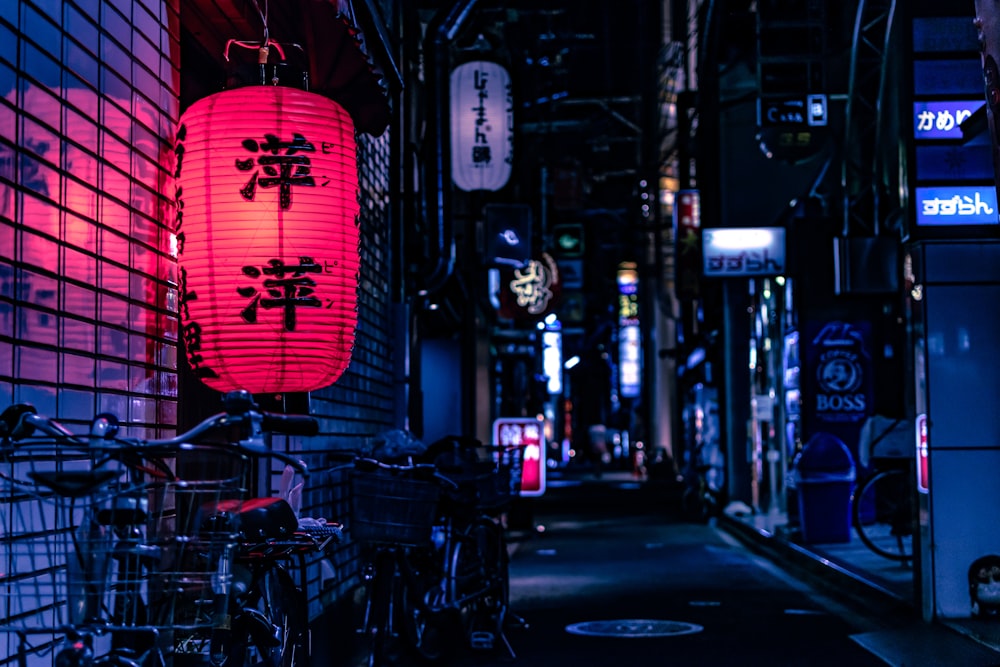
The idea that Japan is prohibitively expensive prevents many travelers from visiting one of the most extraordinary countries in the world. The truth is more nuanced: Japan has genuine budget options alongside its luxury tiers, and travelers who know how to navigate between them can have a remarkable trip at $65–85/day.
I spent three weeks in Japan on roughly $72/day in 2024, staying in capsule hotels and hostels, eating at convenience stores and local ramen shops, and using the JR Pass strategically. Every figure in this guide is based on actual documented spending.
What's Expensive vs. Surprisingly Affordable
Genuinely expensive in Japan
- Bullet train (Shinkansen) tickets bought individually — Tokyo to Kyoto costs ¥13,870 (~$92)
- Ryokan (traditional inn) overnight stays — ¥15,000–50,000 ($100–330) per person including dinner
- Alcohol — Japan taxes alcohol heavily; a beer in a restaurant costs ¥600–800 ($4–5.50)
- Popular tourist restaurant dinners in Kyoto's Gion district — ¥3,000–8,000 ($20–55)
Surprisingly affordable
- Convenience store meals — extraordinary quality at ¥300–700 ($2–5) per meal
- Ramen, udon, soba at local shops — ¥800–1,200 ($5.50–8) for a filling bowl
- Gyudon beef bowl chains (Yoshinoya, Sukiya) — ¥380–500 ($2.50–3.30)
- City metro rides — ¥200–400 ($1.30–2.70) per journey
- Capsule hotel accommodation — ¥3,500–6,000 ($23–40) per night
- Hostel dorm beds — ¥2,500–4,500 ($17–30) per night
- Temple and shrine admission — mostly ¥500–1,000 ($3.30–6.70)
Budget Accommodation in Japan
Capsule hotels
Japan's most distinctive budget accommodation. Modern capsule hotels offer climate-controlled sleeping pods with privacy screens, excellent shared bathrooms (often with onsen/hot spring facilities), luggage storage, and typically fast wifi. In Tokyo: ¥3,500–5,500 ($23–37) per night. Osaka and Kyoto slightly less. Most are gender-separated floors. Not suitable for severe claustrophobes — but far more comfortable than they sound in photographs.
Hostels
Japan has excellent hostels, particularly in Tokyo's Asakusa neighbourhood, Kyoto's Gion-adjacent areas, and Osaka's Namba. Dorm beds from ¥2,500–4,500 ($17–30). Private rooms in hostels from ¥6,000–10,000 ($40–67). Japanese hostels operate with quiet hours and high cleanliness standards — different in atmosphere from European party hostels. Book well ahead for Kyoto, especially cherry blossom season (late March–April) and autumn foliage (November).
Manga cafes (emergency option)
All-night manga cafes (internet cafes) offer private booths with reclining chairs, showers, unlimited soft drinks, and all-night access for ¥1,500–2,500 ($10–17). Used by salarymen who miss the last train and budget travelers who need emergency accommodation. Utilitarian, slightly grim, entirely functional.
Eating in Japan on a Budget
The convenience store strategy
This is not a compromise — it's genuinely excellent food. Japanese convenience stores (7-Eleven, Lawson, FamilyMart) stock: fresh onigiri rice balls (¥120–200, $0.80–1.35), hot prepared ramen and udon, sushi sets, fresh salads, pastries, and good drip coffee. The quality genuinely exceeds most Western fast food. Eating one meal per day from a convenience store saves ¥600–1,000 ($4–7) versus a sit-down restaurant with no quality sacrifice.
Teishoku (set lunch menus)
Most Japanese restaurants serve a teishoku set at lunch: a main dish (fish, meat, or tofu), rice, miso soup, and pickles, for ¥800–1,400 ($5.30–9.30). The same restaurant's dinner menu costs significantly more. Eating your main meal at lunch is the most consistent budget strategy in Japan and gives you the full sit-down restaurant experience at lower cost.
Standing restaurants and chain eateries
Tachinomi (standing bars) serve beer and sake from ¥400–600. Standing soba and udon shops in train stations serve excellent bowls for ¥400–600. Gyudon chains (Yoshinoya, Sukiya, Matsuya) serve filling beef-on-rice bowls from ¥380–500 ($2.50–3.30) — these are not tourist compromises, they're genuine Japanese everyday food.
Transport: The JR Pass Question
The Japan Rail Pass is the most discussed purchase decision in Japan travel, and the answer genuinely depends on your itinerary. Calculate your specific planned routes before buying.
| Route | Individual Cost | Covered by 7-day JR Pass (~$270)? |
|---|---|---|
| Tokyo → Kyoto (Shinkansen) | $92 | Yes |
| Kyoto → Osaka (JR Local) | $3.50 | Yes |
| Osaka → Hiroshima (Shinkansen) | $55 | Yes |
| Hiroshima → Tokyo (Shinkansen) | $115 | Yes |
| Tokyo → Nikko day trip | $40 partial | Partial |
| Tokyo metro (daily, 7 days) | $50 total | No — separate IC card |
Route above = $305.50 in individual tickets vs ~$270 for the pass. Pass saves ~$35 and pays for itself. Add more Shinkansen segments and the savings increase. For trips concentrated in Tokyo + Osaka only (no long Shinkansen routes), individual tickets are often cheaper.
IC Cards (Suica, Pasmo)
Load one of these contactless cards at any major station and use it on all urban metro, bus, and local train services without buying individual tickets. Faster, simpler, and slightly cheaper than single tickets. Digital versions are available on iPhone (Apple Wallet). Load ¥3,000–5,000 to start.
Daily Budget Breakdown
| Category | Budget/day | Mid-Range/day | Comfortable/day |
|---|---|---|---|
| Accommodation | $23–37 (capsule/hostel dorm) | $60–100 (business hotel/hostel private) | $120–300 (boutique hotel/ryokan) |
| Food | $18–28 (konbini + chain restaurants) | $38–65 (mix including restaurants) | $70–130 (full restaurant dining) |
| City transport | $8–15 | $12–22 | $20–40 |
| Admissions & activities | $5–15 | $18–40 | $40–100 |
| Total Daily | $54–95 | $128–227 | $250–570 |
Free and Low-Cost Highlights
- Senso-ji Temple, Tokyo (Asakusa): Free — arrive at 6am before crowds
- Fushimi Inari Shrine, Kyoto: Free, open 24 hours — 10,000 torii gates up the mountain
- Philosopher's Path, Kyoto: Free 2km canal walk through temple neighbourhoods
- Harajuku's Takeshita Street: Free people-watching and street food
- Meiji Shrine, Tokyo: Free forested Shinto shrine in central Tokyo
- Nara deer park: Free entry; deer biscuits ¥200 ($1.35)
- Osaka's Dotonbori area: Free evening atmosphere and neon spectacle
💡 Best Japan budget strategy: Capsule hotel or hostel for accommodation. Convenience store breakfast. Local lunch teishoku. One dinner per day at a chain or standing restaurant. Spend your real budget on 1–2 standout experiences per city (a Shinkansen segment, one ryokan night for a special occasion, one extraordinary restaurant). Japan rewards selective spending far more than general frugality.
Frequently Asked Questions
Japan is moderately expensive — more than Southeast Asia, less than Scandinavia or Switzerland. Budget travelers can realistically manage $65–85/day staying in capsule hotels, eating at convenience stores and local restaurants, and using the IC card for transport. The expensive reputation comes partly from ryokan stays and extensive Shinkansen use without a pass.
Calculate your specific planned routes. For itineraries covering Tokyo–Kyoto–Osaka–Hiroshima, the 7-day pass (~$270) typically pays for itself. For shorter routes or trips concentrated in one city, individual tickets bought in advance are often cheaper. Always run your actual route numbers before buying the pass.
Mid-January to mid-February and the rainy season (June–July) are Japan's shoulder seasons with lower accommodation prices. Cherry blossom season (late March–April) and autumn foliage (November) are beautiful but expensive — accommodation in Kyoto books out months ahead. September and October offer excellent weather at moderate prices.
Japan remains significantly more cash-dependent than most developed countries. Many traditional restaurants and small shops are cash-only. Carry ¥30,000–50,000 ($200–330) and replenish at Japan Post or 7-Eleven ATMs, which reliably accept international cards. Don't carry your entire trip's cash budget at once.