Thailand has dozens of island destinations and choosing the wrong one for your personality and travel style is one of the most common mistakes first-time visitors make. Koh Samui is overdeveloped. Koh Phangan is famous for the Full Moon Party and attracts that crowd. Koh Tao is a diver's island. Phuket is a city attached to some beaches. This guide covers three islands that sit in a different category: developed enough to be comfortable, authentic enough to still feel like Thailand, and varied enough to suit very different types of traveller. For broader context, our Bali vs Thailand comparison helps if you're still deciding between countries, and our SE Asia beaches guide covers the full regional picture.
The Summary — Which Island Is for You?
Before going deep: here's the honest one-sentence verdict on each island. Koh Lanta is for beach lovers who want a long, quiet stretch of sand, good food, and easy access to excellent snorkelling. Koh Chang is for travellers who want jungle, waterfalls, and a rougher, wilder version of Thailand. Koh Yao Noi is for people who want to be genuinely away from tourism — rubber plantations, rice paddies, and a local Muslim community living on a timeframe entirely different from the mainland's.
Koh Lanta — The Beach Lover's Island
What Makes Koh Lanta Special
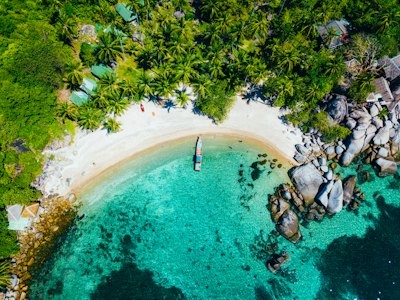
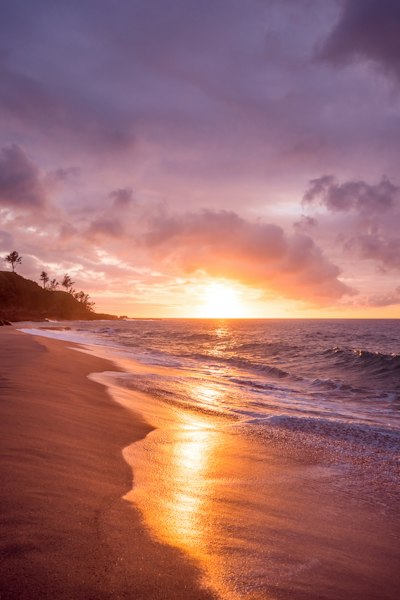
Koh Lanta Yai sits in the Andaman Sea off the Krabi coast and has the longest continuous stretch of west-facing beach of any Thai island outside Phuket. Klong Dao, Long Beach, and Klong Nin form a continuous sandy front that catches the sunset every evening and stays relatively uncrowded outside of the December–March peak.
"I've done the Thai island circuit four times — Samui, Phangan, Tao, Phi Phi — and when I finally got to Koh Lanta in February I understood what all of them were trying to be. The beach road has an actual rhythm to it. People are staying for weeks, not nights. Nobody's trying to sell you a Full Moon Party wristband."
- Best beach: Klong Nin — the mid-island beach that gets both the sunset and the least foot traffic
- Best snorkelling: Day trip to the Koh Lanta Marine National Park islands — Koh Rok has visibility of 20m+ in clear season
- Best area to base: Long Beach for backpacker amenities; Klong Nin for quiet resort feel
- Budget: $35–55/day (guesthouse, food, one daily activity)
- Best season: November–April (dry); May–October is rainy season — the island is half-closed
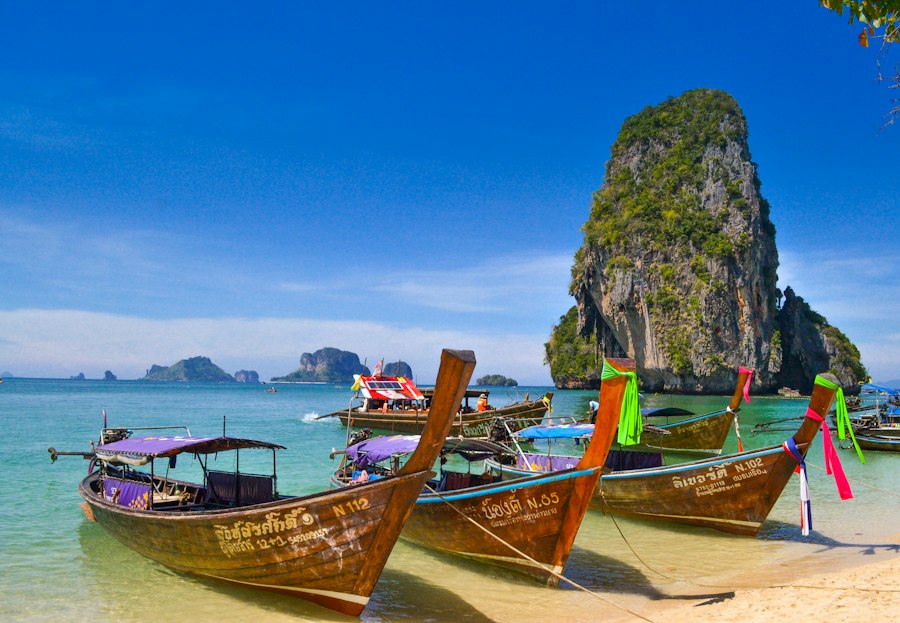
Koh Chang — The Jungle Island
What Makes Koh Chang Different
Koh Chang ('Elephant Island') sits in the Gulf of Thailand near the Cambodian border and is Thailand's second-largest island by area. Most of it is protected national park — dense jungle covering steep mountain slopes that fall directly into the sea. The beaches are at the bottom of those slopes, accessible by scooter on a coastal road that wraps around the island's western and southern perimeter.
- Best beach: Klong Phrao — mid-island, wide sand, calm water, away from the Hat Sai Khao tourist strip
- Best activity: Klong Plu waterfall (30-minute jungle hike, swimming pool at base) — do it early morning when it's empty
- Best area to base: White Sand Beach (Hat Sai Khao) for amenities; Klong Phrao for quiet
- Unique to Chang: Kayaking through the mangroves on the east coast — rent from any dive shop on the west coast
Koh Chang is meaningfully cooler than other Thai islands because of the jungle cover — temperatures run 3–5°C lower than open Koh Lanta. This makes it significantly more comfortable for walking and hiking in the dry season, when Andaman islands can be uncomfortably hot.
Good to Know: Koh Chang has no ATMs on the east coast. Bring cash before exploring the national park side of the island. The western beach area has bank ATMs near Hat Sai Khao.
Koh Yao Noi — The True Escape
What Makes Koh Yao Noi Different From Everything Else
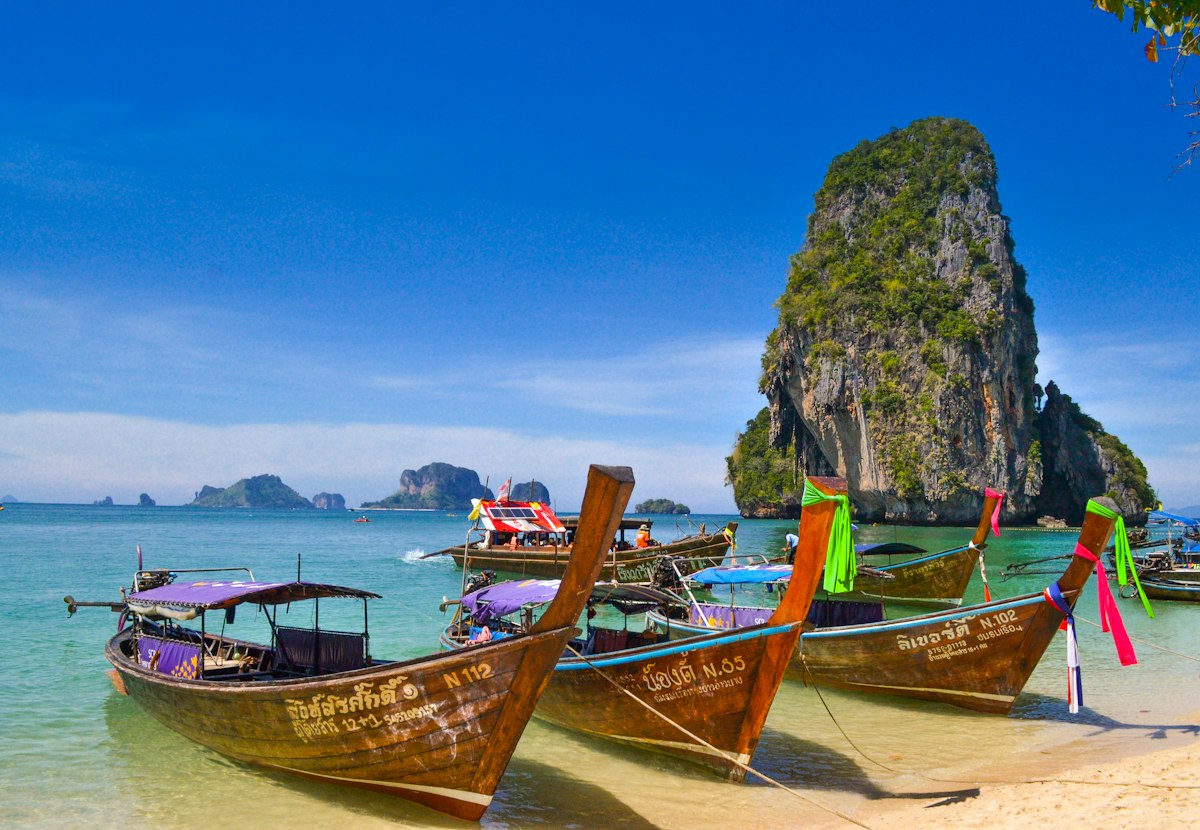
Koh Yao Noi sits in the middle of Phang Nga Bay — the dramatic limestone karst landscape visible from Phuket — and is predominantly inhabited by Thai Muslims who fish, farm rubber, and live at a pace that has nothing to do with tourism. The island has a handful of guesthouses and resorts, one main road, and the extraordinary experience of cycling through villages where children wave at the rare passing tourist. For travellers who have been to Thailand before and want something genuinely different, it's transformative. It pairs naturally with a snorkelling day trip to the bay that surrounds it — combine with our local islands budget strategy for similar accommodation philosophy.
- Getting there: Ferry from Ao Por pier near Phuket (30 min, $3) or from Krabi (45 min)
- Best activity: Cycling the main road and village tracks — rent a bicycle for $5/day
- Best accommodation: Six Senses Yao Noi (luxury, extraordinary) or local guesthouses from $25
- What to know: This is a Muslim community — dress respectfully, alcohol is available only at resort hotels, not village shops
The Three-Way Verdict
- Choose Koh Lanta if: You want a long beach holiday, good infrastructure, excellent snorkelling day trips, and a mix of backpacker and mid-range options
- Choose Koh Chang if: You want jungle, waterfalls, cooler temperatures, and a wilder, less polished version of Thailand
- Choose Koh Yao Noi if: You've been to Thailand before, you want genuine cultural immersion, and you're comfortable with minimal tourist infrastructure
- Budget winner: Koh Lanta ($35–55/day) and Koh Chang ($35–50/day) are broadly similar. Koh Yao Noi is cheapest at local guesthouses ($25–40/day) but the Six Senses is $800+/night.
- Accessibility winner: Koh Lanta (Krabi airport, ferry, easy) then Koh Chang (3hr from Bangkok, accessible ferry). Koh Yao Noi requires more planning.
Pro Tip: If you have two weeks in Thailand, split 7 nights between Koh Lanta and Koh Yao Noi. Fly into Krabi, take the ferry to Yao Noi, spend 3 nights, then take the boat to Krabi town and transfer south to Koh Lanta for 7 nights. This is the itinerary that gives you both the luxury of a great beach and the cultural experience that makes Thailand more than just a beach destination. See our Thailand travel guide for the full Krabi and mainland connections.