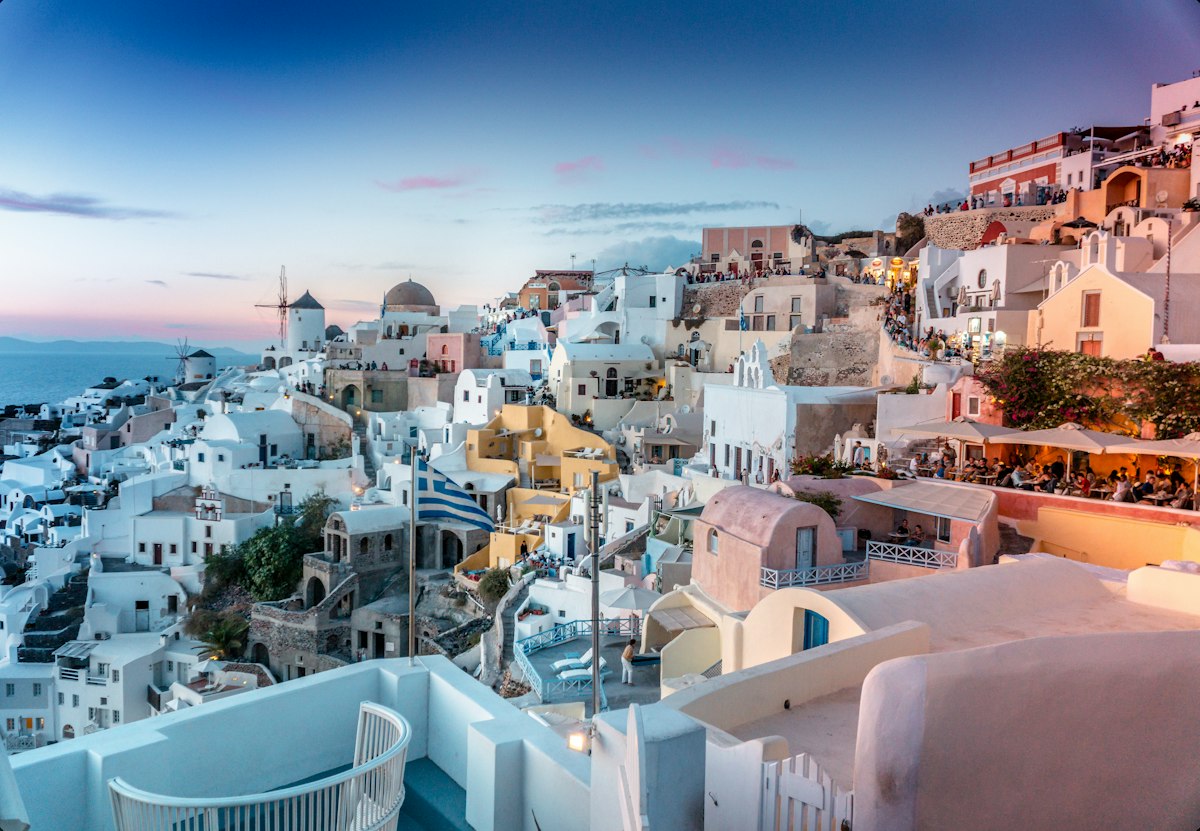
Santorini at peak season — July and August — is extraordinary and overwhelming in equal measure. Fourteen thousand cruise ship passengers a day funnel up the cable car, queue along the same path to Oia, and photograph the same three blue domes from the same five positions. What they miss is most of the island. This guide is for the Santorini that exists outside the Instagram algorithm — the medieval village that closes its gates at night, the volcanic winery tour, the caldera-rim hiking path, and the sunset lighthouse that has twelve people watching instead of three thousand. For broader Greece planning, see our complete Santorini guide and budget Europe guide.
The Timing Conversation No One Has With You
The difference between a Santorini visit in late September and one in August isn't just the crowd level — it's a fundamentally different island. The meltemi wind that makes August days feel energising also kicks up dust, makes outdoor dining challenging, and creates choppy caldera boat conditions. September has calmer water, the same extraordinary light, the grape harvest in full swing at the wineries, and 40–60% fewer visitors.
- Mid-September: Grape harvest period — wineries are actively pressing and tours include watching the process
- October: Best shoulder month — warm swimming water, almost empty caldera walk, restaurants have tables
- April–May: Some businesses still opening but the island is serene — the caldera in morning mist is genuinely other-worldly
- Avoid August 10–25: The island is at maximum capacity and the experience suffers noticeably
"My third visit to Santorini was in late October. I walked the Fira to Oia caldera path on a Tuesday morning and counted nine other people the entire 10km. I had a caldera-view table at a restaurant that requires two weeks' notice in August. The sunset was identical to August. Everything else was better."
Pyrgos — The Village Above the Crowds
While every visitor to Santorini is making the pilgrimage to Oia, Pyrgos sits in the island's centre, largely overlooked, on a hilltop that offers a 360-degree view that includes the caldera, the Aegean, and the volcanic plain. The medieval village — a kástro, or castle town, built in concentric rings — has a labyrinthine architecture of arched lanes and whitewashed houses that is genuinely beautiful without the souvenir shops.
- Franco's Café: Arguably the best sunset view on the island — a baroque terrace above the village with a cocktail list priced at a third of Oia's caldera bars. Arrive 45 minutes before sunset.
- Kasteli Restaurant: Set inside the medieval castle walls — book ahead even in shoulder season
- Walking the lanes: The kástro was designed to be confusing to invaders. Getting genuinely lost is half the pleasure.
- Getting there: Buses from Fira (20 min, €2) or 15-minute scooter ride
The Fira–Oia Caldera Walk
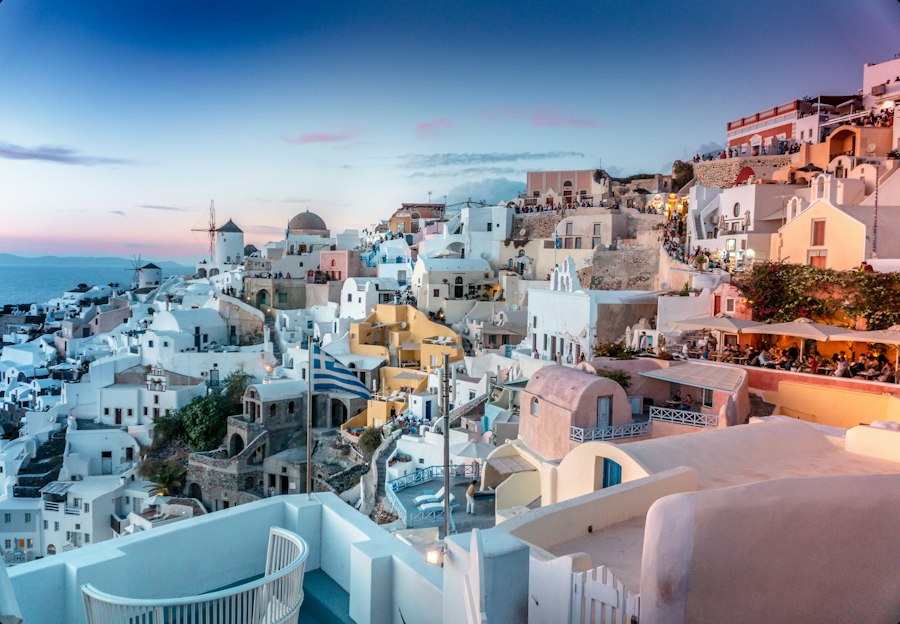
The caldera walking path from Fira to Oia is 10.5km and takes 3–4 hours at a comfortable pace. It is one of the most dramatic coastal walks in the Mediterranean — and it is almost entirely absent from the guides that focus on sunset photographs and restaurant reservations. The path follows the caldera rim through Imerovigli (the village with the highest caldera views) and Firostefani, with uninterrupted views across the submerged volcano to the islands of Palea Kameni and Nea Kameni.
- Start: Fira, from the cable car upper station (easier than starting at Oia for slope gradient)
- Best time: 7–9am start — you arrive in Oia as the light is best and before the crowds build
- Difficulty: Moderate — some uneven paving and short steep sections near Imerovigli
- End: Arrange a taxi or take the bus back from Oia (€2) — downhill to the port from there
- Bring: Water (1.5L minimum), sun protection, comfortable shoes with grip
Pro Tip: Do the caldera walk on the morning of your last full day. You'll know the island well enough by then to appreciate what you're looking at — and the walk lands you in Oia ready for a late lunch and early afternoon exploring before the sunset crowds arrive.
Wine Tourism — Santorini's Underrated Industry
Santorini sits on volcanic soil formed by successive eruptions and produces Assyrtiko wine — a crisp, high-acid white with a distinctive minerality that comes from vines growing directly in pumice. The island's winemakers are internationally respected and visiting the wineries is one of Santorini's best experiences. Almost no package tourist does it.
- Santo Wines: The most visited, with a caldera-facing terrace — best for sunset wine but book ahead
- Estate Argyros: The island's most acclaimed producer — serious wine, serious vineyard tour, no tourist show
- Canava Roussos: Family-run, offers tours of the cave cellars, excellent lunch wine pairing
- Sigalas Winery: Near Oia, organic production, excellent tasting room with caldera views
- Budget note: A tasting flight costs €15–25 depending on tier. A bottle to take home runs €12–25 — significantly cheaper than caldera restaurants charge per glass.
Akrotiri — The Bronze Age City Most Skip
Akrotiri is a UNESCO-protected Minoan city buried in volcanic ash in approximately 1600 BC — and it is one of the most remarkable archaeological sites in Europe. Unlike Pompeii, which people queue four hours to visit, Akrotiri has manageable visitor numbers and gives you the extraordinary experience of walking the streets, looking up at the preserved second floors of buildings, and seeing frescoes that were painted 3,600 years ago. For the photography angle our honeymoon guide mentions specifically, the lighthouse at Akrotiri also gives the best less-crowded sunset view on the island.
- Entry: €12 (combined ticket with Museum of Prehistoric Thera in Fira: €14)
- Time needed: 2 hours to see it properly
- Best time: First thing when it opens (8am) — tour groups typically arrive from 10am
- Combine with: Red Beach (10-minute walk) and the lighthouse (10 minutes by car) for a full half-day in the south
Where to Eat Away From the Caldera Premium
Caldera-view restaurants charge a premium that is real and significant — the same meal can cost 2–3x more than in an inland village. The food quality is not proportionally higher. Here is where the island's best value and often best food is found. Apply our European budget strategies and you can eat extraordinarily well on Santorini without paying resort prices.
- Nikolas Taverna (Fira): In business since 1967, famous for its own-caught grilled octopus — no caldera view, perfect food
- Metaxy Mas (Exo Gonia): The taverna every Greek food guide cites — order the fava, the chickpea fritters, and the house wine
- Kyra Maria (Pyrgos): Hole-in-the-wall lunch spot beloved by locals — under €15 for a full meal
- Morning market (Fira central market): Fresh fruit, local cheeses, Assyrtiko wine bottles from $8 — stock up for picnics