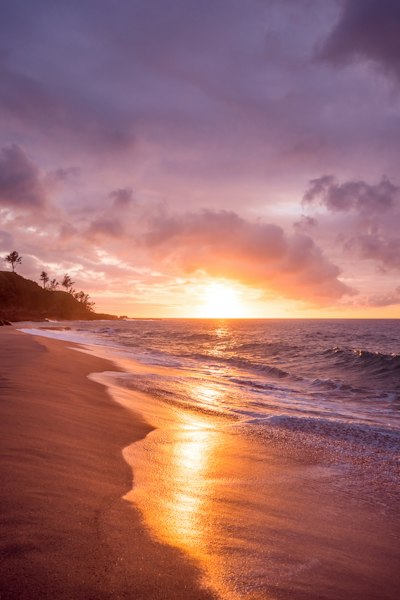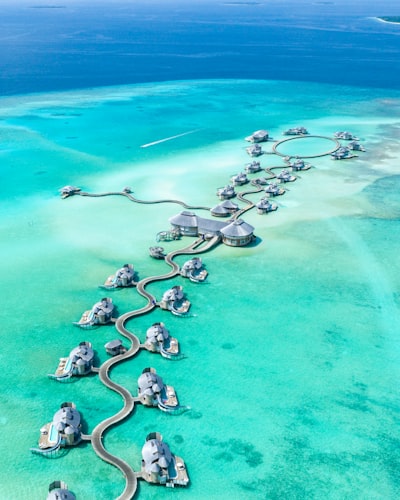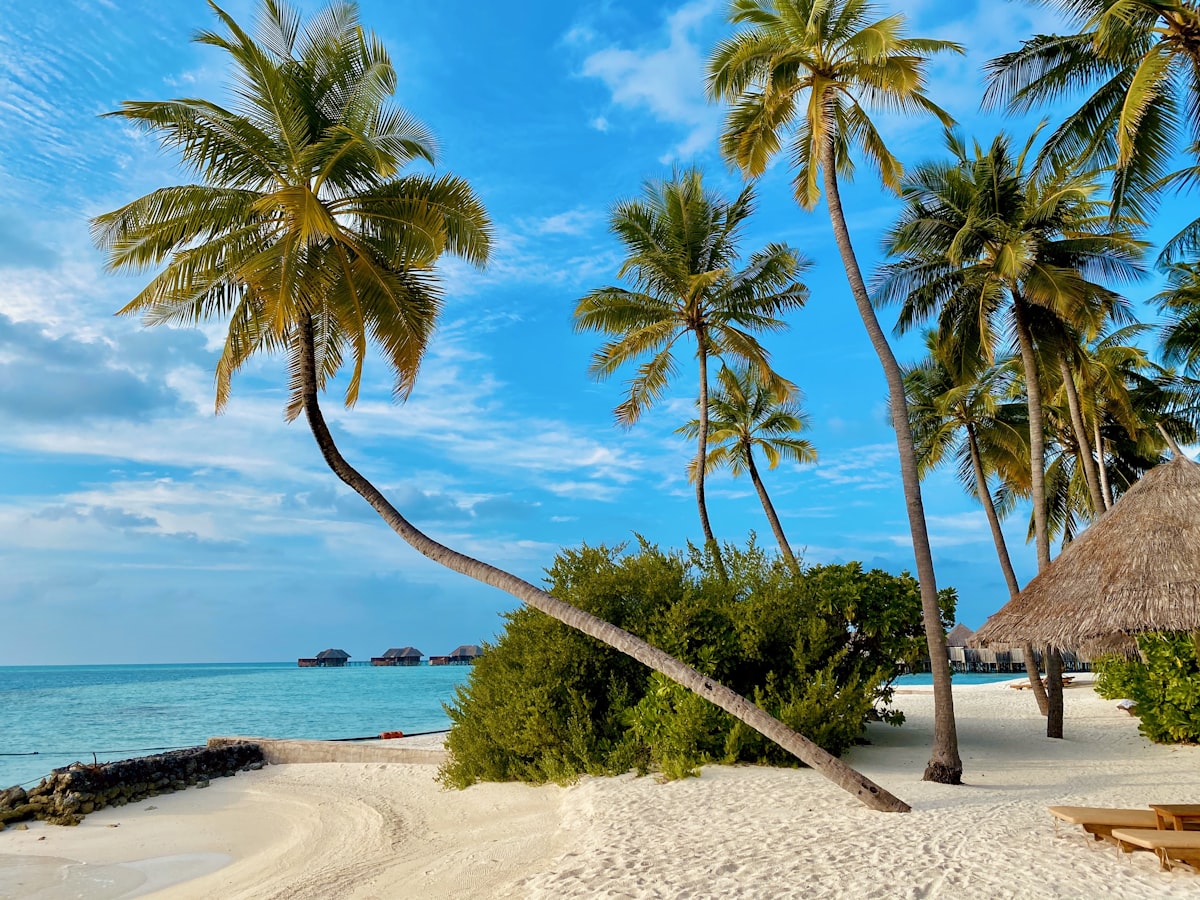
The Caribbean's reputation as an exclusively expensive destination is both earned and significantly exaggerated. Islands like St Barts, the Caymans, and Turks and Caicos are genuinely inaccessible on a real travel budget. But the Caribbean is enormous — 700 islands across 13 sovereign states and 17 territories — and the gap between the most and least expensive islands is wider than any other region in the world. This guide focuses on five islands that deliver genuine Caribbean beauty — the turquoise water, the white sand, the rum punch — without requiring a hedge fund withdrawal. For broader beach travel context, our SE Asia budget beaches guide gives a useful comparison point, and our budget islands philosophy applies directly here.
Dominican Republic — The Big Value Island
The Dominican Republic is the Caribbean's most-visited island and arguably its best value for money. The northeast coast around Las Terrenas and Samaná is where you find the combination that makes it compelling: genuinely spectacular beaches (Playa Rincón is one of the Caribbean's best by any measure), a price level closer to Southeast Asia than the Western Caribbean, and a culture that predates the all-inclusive resort model by several centuries.
- Playa Rincón: Consistently rated one of the top 10 Caribbean beaches — 3km of white sand with a river running into the sea at one end. Access by boat from Las Galeras (30 min, $15 return) or by 4WD ($40 hire)
- Las Terrenas: Expat-heavy beach town with an excellent local restaurant scene and rents from $400/month for a furnished apartment (relevant if you're staying long-term)
- Samaná whale watching: Jan–March, humpback whales breed in the bay — $65 for a half-day tour, one of the world's most reliable whale watching experiences
"I built my trip around finding Playa Rincón, which I'd seen described as 'the Caribbean before the resorts arrived.' After a sweaty 4WD ride and a short boat trip, I stood on a beach with maybe 30 other people and water so clear I could count individual grains of sand from the surface. I paid $4 for a coconut from a man on a horse. The Dominican Republic was nothing like I expected."
- Daily budget: $45–70 (guesthouse, local food, one activity)
- Best time: November–April for the north coast; the south (Bayahibe, Boca Chica) is good year-round
- Getting there: Cheap flights from multiple US east coast cities ($180–350 return); European carriers connect via Santo Domingo
Grenada — The Spice Island Nobody Overhypes
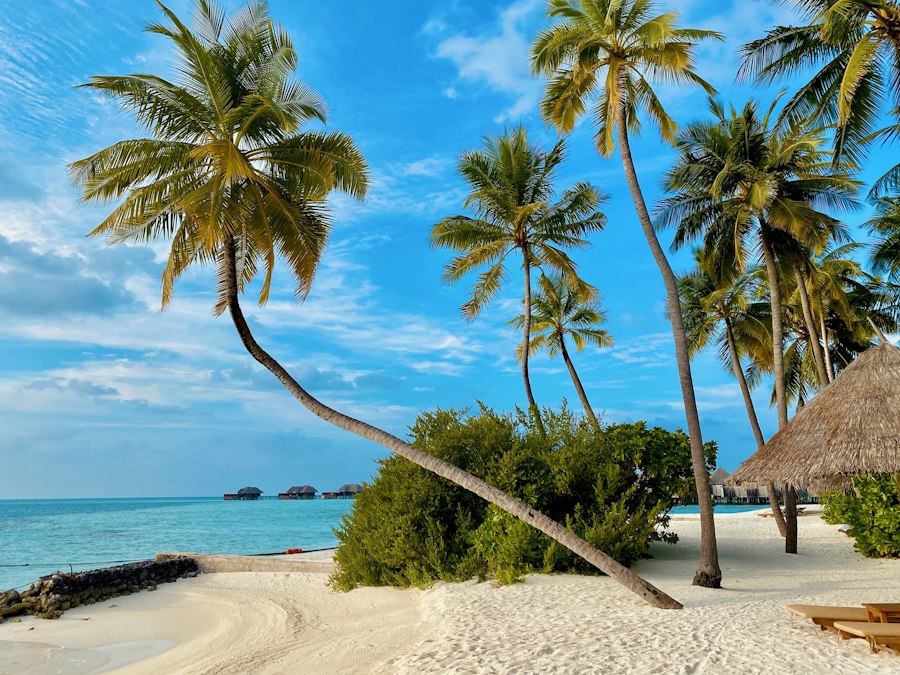
Grenada doesn't appear on many travel bucket lists, which is precisely what keeps it affordable. The southernmost Windward Island is genuinely beautiful — Grand Anse Beach (3km of white sand, warm water, full sun) rivals anything in the Caribbean — and the capital St George's, built around a horseshoe harbour with Georgian colonial buildings, is one of the region's most photogenic towns. The 'Spice Island' nickname comes from its status as the world's second-largest nutmeg producer — the spice markets are real, not tourist theatre. Similar value ethos to our Colombia travel guide — authentic culture at prices most travellers don't expect.
- Grand Anse Beach: Free access, calm water, consistent sun, good snorkelling at the northern end
- Underwater Sculpture Park: Snorkelling/diving site with 65 life-sized sculptures on the seabed — accessible with a mask and fins, no dive qualification needed
- Budget: $50–75/day (local guesthouse, eating at local rum shops and restaurants)
- Getting there: Flights via American Airlines (Miami connection), British Airways (London Gatwick, irregular schedule), or Caribbean carriers via Barbados
Cuba — The Most Misunderstood Caribbean Island
Cuba is the Caribbean's largest island by land area, its most politically complex, and arguably its most interesting. For non-US travellers, it is also genuinely affordable. The challenge is the dual currency system and the practical logistics of cash — Cuba is effectively cashless-payment-free outside of resort zones, and US cards don't work. None of this is insurmountable with preparation.
- Best beach area: Varadero (resort zone, international standard) or Playa Ancón near Trinidad (more authentic, less developed)
- Trinidad: The colonial city 4 hours from Havana is arguably the most architecturally preserved city in the Americas — cobblestoned streets, Spanish colonial houses painted in pastel, and a music scene that runs until 4am
- Budget: $35–60/day for non-resort Cuba (accommodation in casas particulares — private homestays — from $20–35/night)
- Important: Bring all the cash you'll need in Euros or Canadian dollars — exchange to Cuban peso on arrival. No ATM access for most visitors.
Good to Know: US citizens cannot legally travel to Cuba for tourism under current regulations. Check your government's current travel advisory. Citizens of most other countries can visit freely — Canada, UK, EU, and most of Latin America have no restrictions.
St Kitts — The Overlooked Leeward Island
St Kitts is on nobody's Caribbean shortlist, which is both its problem and its opportunity. The island has a working narrow-gauge railway (built to transport sugar cane, now a tourist attraction), a restored 17th-century British fortress at Brimstone Hill that's a genuine UNESCO site, and Frigate Bay Beach — a lively beach bar strip on one side and a quiet Atlantic-facing beach on the other, 100 metres apart. The water at Southeast Peninsula beaches is some of the clearest in the Eastern Caribbean.
- Brimstone Hill Fortress: $15 entry, UNESCO site, panoramic view across four neighbouring islands — genuinely extraordinary
- Frigate Bay south (Atlantic side): Rough water, kite-surfing, almost no tourists
- Frigate Bay north (Caribbean side): Beach bars, calmer water, social atmosphere
- Budget: $65–90/day — more expensive than the Dominican Republic but significantly cheaper than St Barts or the USVI
Practical Caribbean Budget Tips
- Fly into hub islands: San Juan (Puerto Rico), Santo Domingo, Barbados, and Trinidad are Caribbean hub airports where flights from North America and Europe are cheapest. Onward island connections are cheap once you're in the region. Apply our flight booking strategies specifically to Caribbean routing.
- Eat where there's no English menu board: The price difference between tourist-facing restaurants and local rum shops and roadside stalls is 60–80% in every island covered here
- Accommodation: Casas particulares (Cuba), locally owned guesthouses, and rental apartments always beat all-inclusive resorts for value and authentic experience
- Season timing: Caribbean hurricane season runs June–November. Prices drop 30–50% in this window and most years the weather is fine — but travel insurance becomes non-negotiable. Our {ilink('travel-insurance-complete-guide.html','travel insurance guide')} covers hurricane-season cancellation specifically.
- Water sports: Snorkelling equipment hire is dramatically cheaper if you avoid the resort beach hire and go to a local dive shop in town ($5–10/day vs $30–40/resort)